
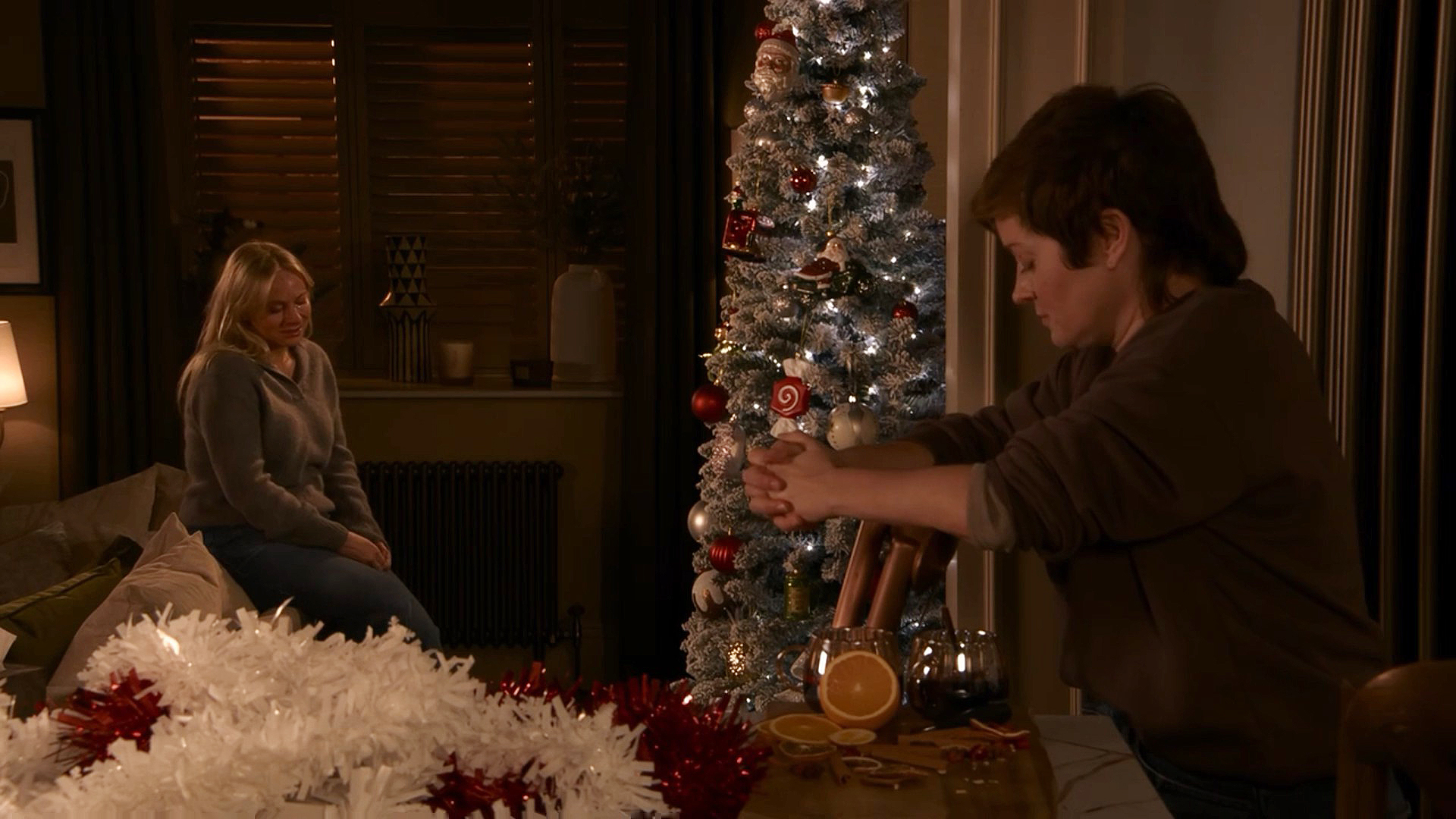


The shock that Becky Falconer (I’m not calling her Swain, she doesn’t deserve Lisa’s name) hadn’t died, and had in fact been alive and well, living in Spain for four years, has thrown a grenade into the life of the Connor-Swains.
To those paying close attention to Lisa’s behaviour since Becky returned, they’ll realise it isn’t just weakness, stupidity, or poor judgement. It’s the hallmark of someone who’s been emotionally manipulated for so long, that despite the positive changes in her life over the last year, she just slips right back in to the pattern that feels instinctual.
People tend to assume that manipulation only happens to the inexperienced, the naïve, or the emotionally fragile, but Lisa’s situation proves the opposite. She’s a trained detective and reads people for a living, but when manipulation has been woven into the fabric of your everyday life for so long, you don’t recognise it as manipulation. You just think it’s normal life.
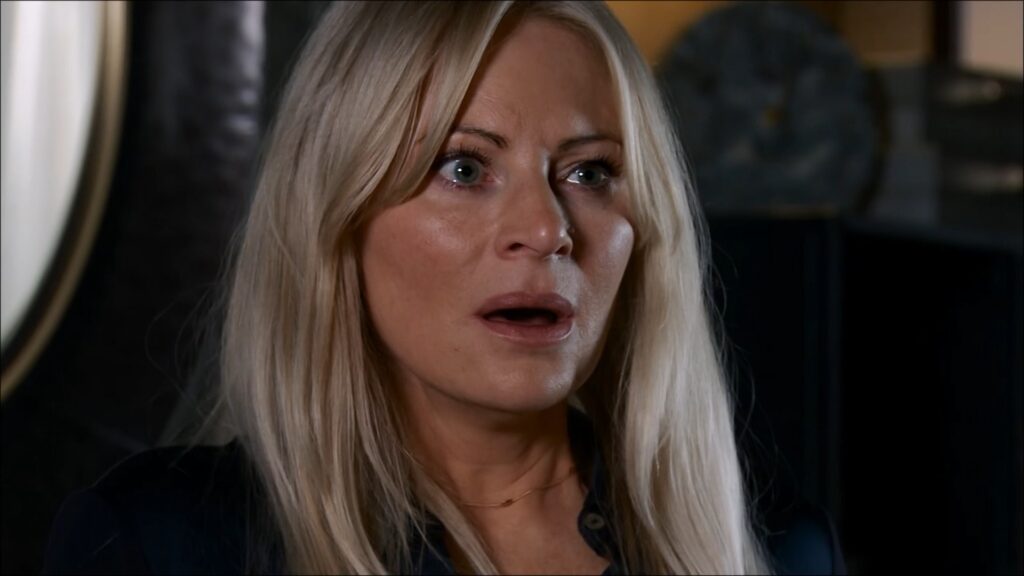
The glimpses we’ve had of Lisa and Becky’s marriage paint an unsettling picture in hindsight. Becky was the one who set the terms for birthdays, holidays, celebrations. Her preferences weren’t suggestions; they were rules. Lisa wasn’t just outvoted, she was sidelined. And because Becky was the fun mum while Lisa played the disciplinarian, Lisa spent years being the bad cop in her own home. The one who kept things running while her wife basked in the spotlight both at work and in friendship circles – like someone who insists on sharing all the glory, but not the 6am McDonald’s hashbrown run that actually keeps the whole operation alive.
Over the past 18 months, Lisa has shared tidbits that, when laid out together, look much less like a loving and supportive partnership, and more like a dangerous psychological game. Becky didn’t like being challenged. She could swing from affectionate to icy in a heartbeat and was jealous when Lisa got promoted. And somehow, when Becky ‘died’, Lisa ended up with no friends left. That’s not coincidence.
So when Becky made her appearance back in September (which many of us suspected was going to happen after seeing the paparazzi photos in the park), she reverted right back to her old tactics, and Lisa didn’t stand a chance. Once the initial shock and anger had worn off, her emotional reflexes kicked in. Keep Becky calm, keep Betsy happy, don’t rock the boat, and do whatever you need to do to prevent an explosion. Lisa’s brain went back to the oldest blueprint it had: protect the family unit at all costs, even when the cost is your happiness.
Becky knew this, of course. She spent twenty years studying Lisa like a textbook and learning how to manipulate her to get what she wanted.
Every single thing Becky has done since returning has been engineered to weaken Lisa. The ‘someone is in the house’ spoon trick while Lisa was on a video call to Carla. The wedding song stunt at Halloween, the fake drunken wobble when Lisa tried to meet Carla for lunch, the constant implication that Becky is in danger, that she could vanish again, that Lisa must protect her.
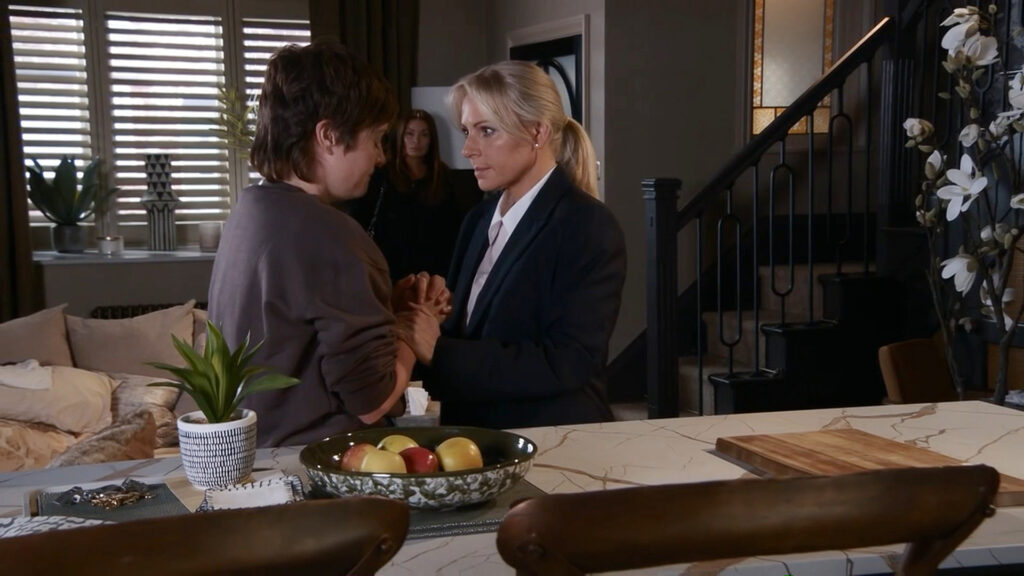
None of this behaviour is random – it’s strategy. And Lisa, whose emotions are still shaped by grief, guilt, and responsibility, is responding exactly the way Becky wants her to.
It’s a tragic story, really, because Carla is the first person who’s ever actually treated Lisa with uncomplicated kindness. And what was Lisa’s response when Carla tried to look after her? ‘I don’t do well with nice.’ That line was intentional on the storyliners part. Lisa had spent so long adapting to Becky’s emotions that genuine care felt foreign, even suspicious.
This story has never been about Lisa choosing Becky or Carla. It’s about a woman who has spent decades walking on eggshells slipping back into survival mode. It’s about old wounds being pressed, old fears rearing their head, and old habits taking over before she has time to think. It’s about a manipulator coming back into someones life and immediately pulling the same emotional strings she always did.
That’s exactly why this storyline matters so much. Not because it’s dramatic, or messy, or juicy soap content for the general audience (though it is absolutely all of those things). It matters because it shows that anyone can be manipulated. Anyone. Intelligence isn’t immunity, training isn’t immunity, a detective’s badge doesn’t shield you from the person you once loved most using that love against you. If anything, love makes you more vulnerable.
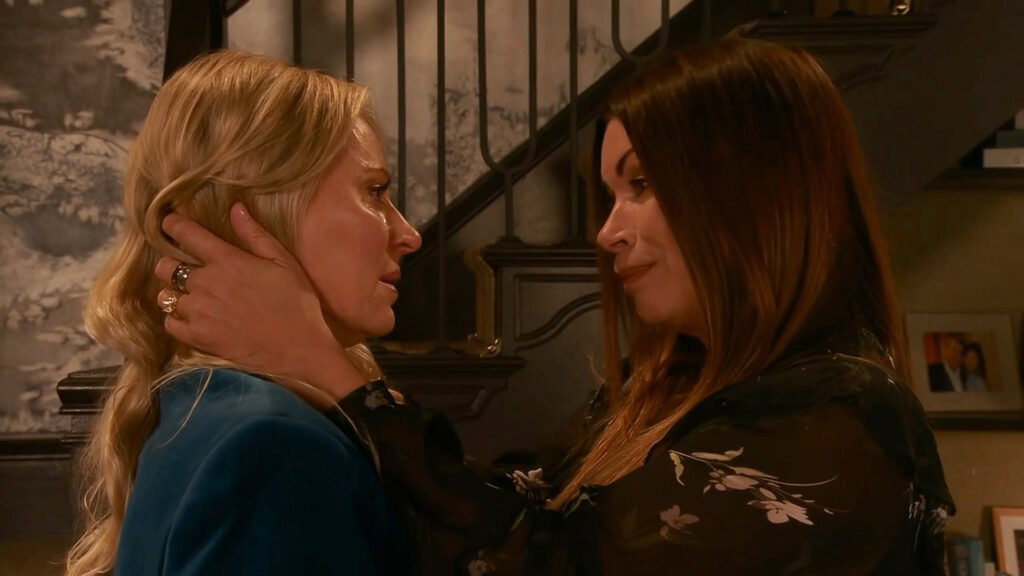
That’s the uncomfortable truth this story is poking at: manipulation doesn’t look like manipulation when you’re inside it. It looks like compromise, caring, and keeping someone happy. It looks like a tired detective making the least explosive choice she can because she’s spent half her life doing exactly that.
Lisa’s arc now isn’t just about grief. It’s about unlearning, and finally recognising the difference between love and control. But heartbreakingly, it’s Carla who will help her see it, even if it hurts them both along the way.
Giving this storyline to Swarla is genius in my opinion. It centres a narrative about manipulation, trauma, and survival within a couple with an enormous emotional investment from viewers. And by challenging that investment, the writing is doing something bold: it’s asking viewers to understand that even the strongest among us can be undone by the people we trust most.
Because love isn’t blind, and sometimes it binds you to the very thing that breaks you.